The Post-Event Financial Scramble

Part 7 of 10 in the Event Planner's Financial Survival Guide
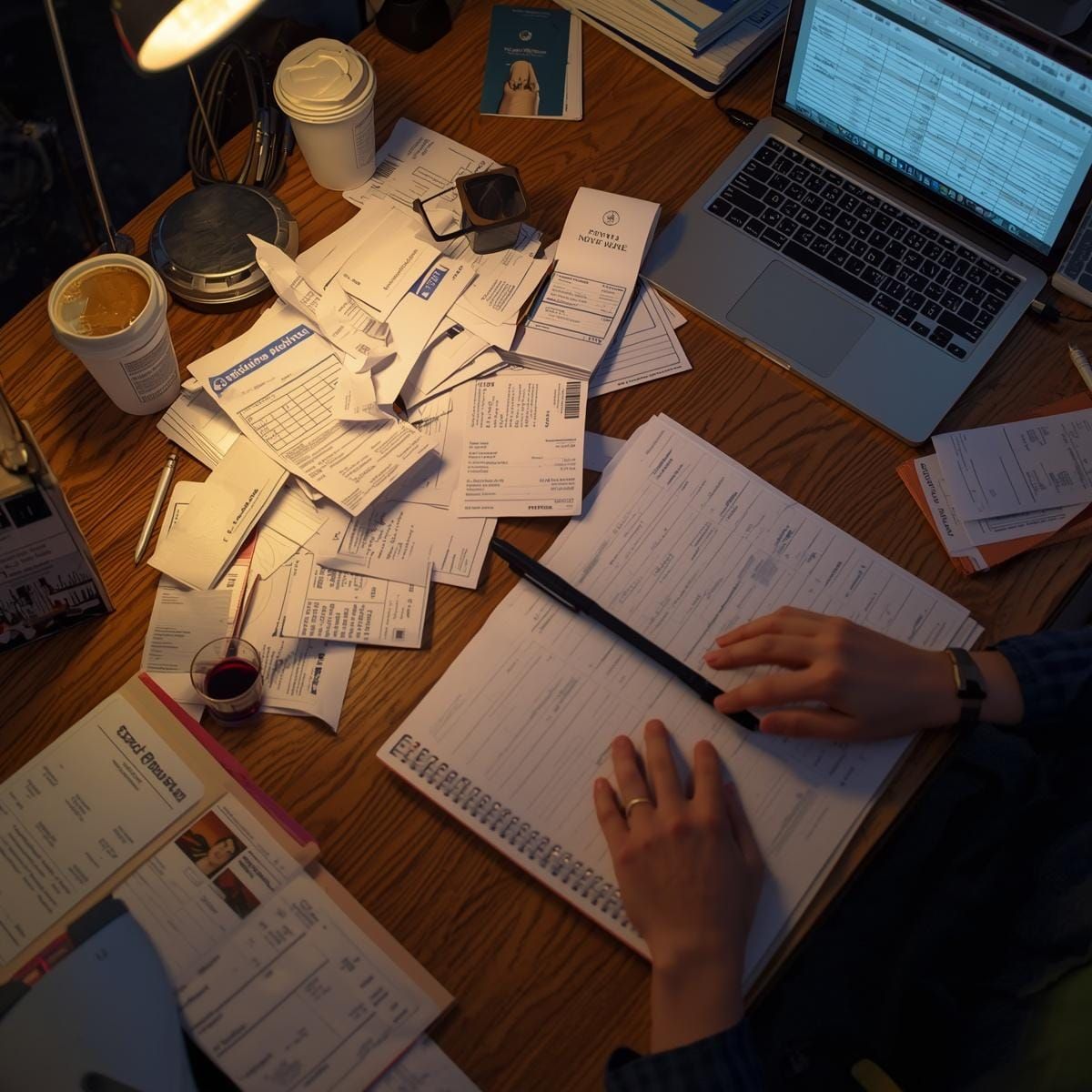
The event is over. It went well. The client is happy, the vendors were great, and you went to bed that night with the specific satisfaction that only comes from pulling off something complicated and beautiful. You deserve to enjoy that feeling. And then Monday morning arrives and there's a pile of financial work waiting for you that has no glow to it at all. Welcome to the post-event financial scramble. It's the part of the job that doesn't show up in the brochure.
What "Closing the Books" Actually Means
Every event has a financial lifecycle that extends past the event day itself. After the lights go down, you still have: - Final vendor invoices to receive, review, and pay (some vendors don't invoice until after the event) - Your own final client invoice to issue, if you haven't already - Deposit credits to apply against final balances - A reconciliation between what you budgeted and what you actually spent - Sales tax calculations and potentially a remittance if you've been collecting - Records to file for next year's event (if it's a recurring one) and for tax purposes None of this is conceptually hard. But it requires organized records from the planning process to do it efficiently. If those records are scattered — vendor conversations in email, payments tracked in a spreadsheet, notes in a project management tool, receipts in a folder — the scramble is real.
The Actual vs. Budget Gap
One of the most valuable things you can do after every event is a genuine comparison of what you budgeted versus what you actually spent. Not a vague sense of "we came in roughly on target," but a line-by-line review that shows you exactly where you were accurate and where you weren't. This matters for a few reasons. It makes your next estimate better. The planner who knows that their florals come in 8% over budget consistently is a planner who builds that into the next quote. The one who doesn't track actuals carefully just keeps making the same estimation errors. It tells you where your margin went. If you budgeted a 20% markup across all vendor costs and your actual margin came in at 14%, something happened. Maybe a vendor's price changed. Maybe you authorized an add-on that didn't get billed to the client. Maybe a line item was miscategorized. The post-event reconciliation is where you find out. It protects you if there are disputes. We talked in the last post about client invoice disputes. Having a clean, documented comparison of budget versus actuals is one more tool in your defense if a client questions a charge after the fact.
The Vendor Invoice Lag Problem
Here's the timing challenge that catches planners off guard: not all vendors invoice promptly. You'd like to close out the event and move on. But your caterer invoices net-30. Your AV company has a billing cycle that means you won't see their final invoice for three weeks. A freelance photographer sends their invoice whenever they get around to it, which is apparently whenever they feel like it. In the meantime, you're trying to finalize your client invoice, reconcile your actuals, and prepare for the next event. The lagging vendor invoices create a gap in your financial picture that forces you to either estimate (and potentially bill the client wrong) or wait (and delay closing the event and getting your final payment). The way professional planners handle this is with a clear process: issue the client invoice based on your approved budget and the line items you can confirm, track the outstanding vendor invoices explicitly, and reconcile the difference when they come in. This is manageable — but only if your vendor payment tracking is organized enough to know exactly which invoices are still outstanding and for how much.
The Tax Reckoning
If you've been collecting sales tax throughout the event's billing cycle, the post-event period is when that gets reconciled and (depending on your state and filing frequency) remitted. If you've been tracking taxable versus non-taxable items carefully throughout the process, this is straightforward: pull the totals, file, pay. If you haven't been tracking it carefully, the post-event scramble includes figuring out what was taxable, what rate applied, and whether what you collected matches what you should have collected. The planners who handle tax smoothly post-event are the ones who built it into their process upfront — not as an afterthought but as part of how every line item and invoice was built. (If this section gives you a small amount of anxiety, go back and read Post 5. Seriously.)
What Post-Event Finance Looks Like When the System Is Good
When your budget, vendor payments, and invoicing all live in one connected system, closing the books after an event is a task, not a project. Your actuals are already captured because you recorded payments as they happened. Your budget comparison is available without any additional work. Your outstanding vendor invoices are clearly visible. Your client invoice was generated directly from your budget, so the numbers already match. Your tax totals are calculated and ready. You spend a couple of hours making sure everything is accounted for, tying up a few loose ends, filing what needs to be filed. And then you genuinely move on — to the next event, to the proposals sitting in your pipeline, to the things that actually grow your business. That's what organized financial management buys you: not just accuracy, but time. Next up, we're going to have an honest conversation about the accounting tool that almost every event planner has tried, and why most of them find it wanting.
Next up: QuickBooks Wasn't Built for Event Planners →
Event Revenue Pro was built to solve exactly this — a purpose-built financial platform for event planners, DMCs, and event agencies. Learn more →